What is Content Marketing: A Comprehensive Look
Start here: this guide explains a strategic approach that helps brands attract and engage a clear target audience. It focuses on useful, relevant material that educates instead of interrupting.
Why it matters: nearly 86% of decision-makers in early 2024 planned to keep or raise their budgets for this strategy. That shows its role in driving profitable customer actions.
By prioritizing quality and relevance, your brand can build long-term trust and authority. This helps you stand out in a crowded digital marketplace and turn each blog post, video, and article into a growth asset.
Let’s break down core elements so you can connect with your audience effectively and consistently. We’ll keep the tips practical and easy to apply.
Understanding What Is Content Marketing
When you map buyer needs to topics, your messages land with purpose. A focused content marketing approach creates helpful information for your audience while building brand identity.
Lead generation and trust: This method drives awareness and turns casual visitors into customers by educating them about products and services. It also deepens relationships by answering real questions.
Strategy as glue: A clear content marketing strategy connects editorial work to business goals and the needs of your customers. It keeps teams aligned and priorities measurable.
Focus on the buyer’s journey to supply the right material at each stage. That way, you guide customers from discovery to purchase without heavy advertising.
Organize and scale: Use a content management system to store documents and graphics. A solid CMS supports your overall marketing strategy and speeds collaboration.
| Item Name | Description | Calories | Price |
|---|---|---|---|
| Latte | Steamed milk with espresso | 190 | $4.25 |
| Cappuccino | Espresso with foamed milk | 120 | $3.95 |
| Cold Brew | Smooth, slow-steeped coffee | 5 | $3.75 |
| Bagel | Toasted with cream cheese | 270 | $2.50 |
| Oatmeal | Warm oats with fruit | 160 | $2.95 |
Why Content Marketing Is Essential for Modern Business
Modern buyers tune out ads and look for helpful, human-first information instead. That shift makes strategic content marketing an essential tool for growth.
Consumer Preferences
People prefer value over ads. When you provide useful material, your audience engages willingly. That engagement helps move a prospect along the buyer journey.
Keeping a regular blog and useful guides shows you care about solving problems. Customers respond by spending more time with your product pages and returning for answers.
Brand Visibility and Trust
Consistency builds recognition. Regular, high-quality content makes your brand easier to find and remember.
Marketers who focus on helpful messaging create trust that lasts. Trusted brands convert more customers and grow awareness without heavy paid spend.
- Educate rather than interrupt to win attention.
- Guide prospects through the journey with targeted material.
- Use a blog to deepen relationships and increase visibility.
| Item Name | Description | Calories | Price |
|---|---|---|---|
| Latte | Steamed milk with espresso | 190 | $4.25 |
| Cappuccino | Espresso with foamed milk | 120 | $3.95 |
| Cold Brew | Smooth, slow-steeped coffee | 5 | $3.75 |
| Bagel | Toasted with cream cheese | 270 | $2.50 |
| Oatmeal | Warm oats with fruit | 160 | $2.95 |
Core Elements of a Successful Strategy
A strong strategy ties goals, audience insight, and distribution into a single, actionable plan.
Set clear objectives. Name outcomes like brand awareness or lead generation so every task serves a business goal.
Make creation purposeful. Content creation should solve specific audience problems with formats that match intent — white papers, guides, short social posts, or case studies.
https://www.youtube.com/watch?v=c-ZfrX4Slj8
Pick the right channels. Use websites, email, and trusted third-party sites where your audience already spends time to amplify reach.
- Understand audience needs and map topics to each stage of their journey.
- Choose platforms where your audience is active to deliver timely, relevant messages.
- Keep a steady rhythm — consistency builds trust and keeps your brand top-of-mind.
| Item Name | Description | Calories | Price |
|---|---|---|---|
| Latte | Steamed milk with espresso | 190 | $4.25 |
| Cappuccino | Espresso with foamed milk | 120 | $3.95 |
| Cold Brew | Smooth, slow-steeped coffee | 5 | $3.75 |
| Bagel | Toasted with cream cheese | 270 | $2.50 |
| Oatmeal | Warm oats with fruit | 160 | $2.95 |
Exploring Popular Content Formats
Picking the right formats lets your brand meet people where they already spend time.
Why variety matters: Different media reach different audience segments. Mixing video, visual posts, and long reads keeps your work fresh and useful.
Top formats to consider:
- Video: Great for tutorials, demos, and short storytelling that captures attention fast.
- Infographics: Turn data into shareable visuals that boost engagement on social channels.
- Blog posts and guides for deep answers and SEO visibility.
- Short social snippets for quick brand touchpoints.
| Item Name | Description | Calories | Price |
|---|---|---|---|
| Latte | Steamed milk with espresso | 190 | $4.25 |
| Cold Brew | Smooth, slow-steeped coffee | 5 | $3.75 |
| Bagel | Toasted with cream cheese | 270 | $2.50 |
Match formats to goals: choose media that suit awareness, education, or conversion. Using a mix ensures your content marketing stays adaptable and effective.
Leveraging Blog Posts for Authority
Publishing practical posts regularly gives your brand authority and keeps search engines noticing. A focused blog helps your website rank better and creates entry points for new visitors.
| Item Name | Description | Calories | Price |
|---|---|---|---|
| Latte | Steamed milk with espresso | 190 | $4.25 |
| Cappuccino | Espresso with foamed milk | 120 | $3.95 |
| Cold Brew | Smooth, slow-steeped coffee | 5 | $3.75 |
| Bagel | Toasted with cream cheese | 270 | $2.50 |
SEO Benefits
Websites with active blogs see 434% more indexed pages and 97% more inbound links. That makes it easier for potential customers to find your brand online.
- Drive traffic: Posts act as magnets for organic visitors and improve overall website visibility.
- Boost leads: Companies with regular blogs generate about 67% more leads monthly.
- Build authority: Helpful posts earn trust from an audience and from peers in your industry.
- Keep a steady publishing rhythm and add visuals to increase shares and engagement.
Use posts to answer specific audience questions and link to product pages. That keeps your website useful and helps turn visitors into customers.
The Role of Video in Audience Engagement
Short, sharp videos cut through the noise and make brand messages stick fast. Video has become a dominant tool for modern content delivery. Ninety-one percent of content marketers already use video, and 78% plan to increase production this year.
Video raises brand awareness quickly. About 90% of video marketers say it boosted visibility. Videos pair sight and sound to tell stories that resonate with your audience.

Nearly 88% of video marketers report better user understanding after watching videos. That clarity helps guide buyers toward action. To maximize engagement, keep clips concise and add a clear call to action.
Production matters. Good lighting, clean audio, and tidy edits protect your brand image and improve watch rates. Even short videos benefit from a simple quality checklist.
- Use short runtimes: grab attention in the first 5–10 seconds.
- Include CTAs: tell viewers the next step clearly.
- Prioritize sound: clear audio increases completion rates.
| Item Name | Description | Calories | Price |
|---|---|---|---|
| Latte | Steamed milk with espresso | 190 | $4.25 |
| Cappuccino | Espresso with foamed milk | 120 | $3.95 |
| Cold Brew | Smooth, slow-steeped coffee | 5 | $3.75 |
| Bagel | Toasted with cream cheese | 270 | $2.50 |
| Oatmeal | Warm oats with fruit | 160 | $2.95 |
Utilizing Social Media for Brand Growth
Engaging on social channels helps brands create meaningful, real-time conversations with their audience. Social media lets you turn casual visits into loyal followings by matching tone and format to each platform.
Why it matters: social media drives awareness fast and supports broader content marketing goals by boosting reach and engagement.
- Use platform-native posts and short video to match user habits on Facebook, Instagram, and LinkedIn.
- Live features, polls, and replies create immediate engagement and deepen customer relationships.
- Tailor each post to platform tone — that raises brand trust and influences purchase decisions.
- Drive traffic back to your website, then nurture leads with targeted email sequences.
- Monitor comments and messages; active replies keep communities loyal and responsive.
| Item Name | Description | Calories | Price |
|---|---|---|---|
| Latte | Steamed milk with espresso | 190 | $4.25 |
| Cappuccino | Espresso with foamed milk | 120 | $3.95 |
| Cold Brew | Smooth, slow-steeped coffee | 5 | $3.75 |
| Bagel | Toasted with cream cheese | 270 | $2.50 |
With ad spending rising in the social media market, investing thoughtful posts and short video pays off. Keep tests small, measure engagement, and refine which platforms and channels move your goals.
Incorporating Podcasts and Infographics
Audio and visuals add new depth to any strategy, helping you reach people in different moments.
Podcast Listener Loyalty
Nearly 505 million listeners worldwide used podcasts in 2024. That scale makes podcasts a strong tool for audience growth.
Podcasts build loyalty: listeners return episode after episode and trust hosts. For Gen Z, 82% acted after hearing an ad, and 61% visited a company site after a show mention.
Visualizing Data with Infographics
Over 60% of businesses use infographics, and 84% who shared them on social media found them effective.
Simple visuals speed understanding: infographics turn dense information into clear visuals and can boost reads by up to 80%.
- Use episodes to dive deep and drive email signups or web visits.
- Share infographics on platforms and in email to reinforce your brand.
- Combine both types to increase reach across media and platforms.
| Item Name | Description | Calories | Price |
|---|---|---|---|
| Latte | Steamed milk with espresso | 190 | $4.25 |
| Cappuccino | Espresso with foamed milk | 120 | $3.95 |
| Cold Brew | Smooth, slow-steeped coffee | 5 | $3.75 |
| Bagel | Toasted with cream cheese | 270 | $2.50 |
| Oatmeal | Warm oats with fruit | 160 | $2.95 |
Building a Content Marketing Funnel
A clear funnel acts as a roadmap that moves strangers from curiosity to confident buyers.
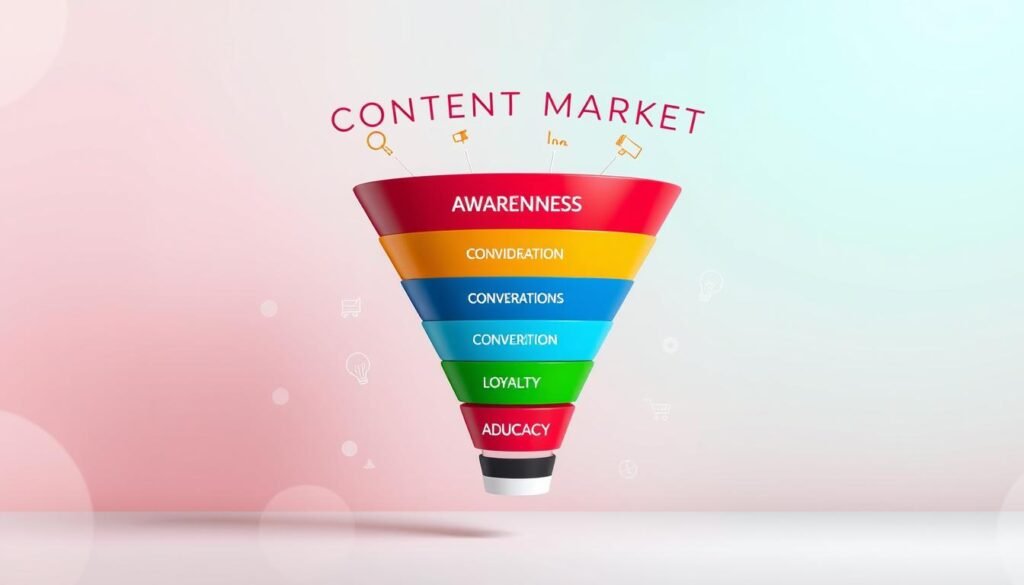
Map the journey. Create material for awareness, consideration, and decision stages. Each stage needs a focused call to action that guides the visitor forward.
Most customers don’t buy on their first visit. Your strategy should build trust over time with steady, helpful posts and offers.
- Awareness: short blog posts, social clips, searchable guides for early research.
- Consideration: deeper guides, comparisons, and case studies that show product fit.
- Decision: demos, trials, and clear CTAs to simplify purchase.
Use competitor research to spot the platforms and channels that work for your audience. Double down where your company finds the best response.
| Item Name | Description | Calories | Price |
|---|---|---|---|
| Latte | Steamed milk with espresso | 190 | $4.25 |
| Cold Brew | Smooth, slow-steeped coffee | 5 | $3.75 |
| Bagel | Toasted with cream cheese | 270 | $2.50 |
Track performance with Google Analytics and funnel reports. Measure drop-off by channel and refine topics and formats until you see steady results.
Managing Your Content Workflow
A steady workflow keeps teams aligned and prevents last-minute scrambles.
Scale depends on routine. A clear editorial calendar makes publishing predictable and reduces stress. Set weekly checkpoints for ideas, drafts, and approvals.
Adopt a project platform like Trello or Asana to split campaigns into tasks with due dates and owners. That visibility keeps each stage moving on time.
- Plan ahead: buffer for busy seasons so your schedule never gaps.
- Define roles: assign writers, editors, and approvers to speed review cycles.
- Track time: measure effort per task to allocate resources smarter.
Consistency builds trust. A simple workflow reduces errors and keeps your audience engaged. Over time, efficient resource management makes your strategy sustainable and more valuable to the business.
| Item Name | Description | Calories | Price |
|---|---|---|---|
| Editorial Calendar | Monthly plan with topics, owners, and deadlines | 0 | $0.00 |
| Trello Board | Visual task lanes for draft, review, publish | 0 | $0.00 |
| Asana Project | Timeline view with dependencies and workloads | 0 | $0.00 |
| Time Tracking | Simple logs to measure effort and improve estimates | 0 | $0.00 |
Overcoming Common Implementation Challenges
Tackling common roadblocks makes long-term strategy far easier to sustain. Start with simple systems that keep your team on schedule and your audience engaged.
Maintaining Consistency
Use an editorial calendar to plan posts, video, email, and blog cycles. A visible schedule reduces last-minute rushes and keeps your brand steady.
Assign owners for each task and build small buffers for busy periods.
Measuring Return on Investment
Track KPIs like conversion rates, traffic, and email ROI. Email often delivers the best return — roughly $36 for every dollar spent — so include it in reports.
Run regular reviews and tweak channels based on performance data.
Creating Engaging Content
Focus on high-quality material that answers customer needs. Use storytelling and visuals to increase engagement and build trust over time.
Favor evergreen topics so your work keeps driving traffic and leads long after publication.
| Item Name | Description | Calories | Price |
|---|---|---|---|
| Editorial Calendar | Monthly plan with topics and owners | 0 | $0.00 |
| Email Workflow | Drip series to nurture leads | 0 | $0.00 |
| Analytics Report | Weekly KPIs and channel performance | 0 | $0.00 |
Conclusion
Close this guide by choosing a few high-impact tactics and refining them over time.
Focus on a clear content marketing strategy that links your goals to measurable steps. Pick formats that speak to your customers and test what performs best.
Keep a practical marketing strategy: set targets, track results, and adjust quickly when platforms change. That helps your brand stay visible and trusted.
Finally, treat these strategies as a long-term asset. With steady refinement, your work will turn into reliable growth that benefits customers and the business for years.
FAQ
How do I define an effective content strategy for my business?
Start by mapping your audience’s journey—identify needs at awareness, consideration, and purchase stages—then choose formats and platforms that match those moments. Prioritize research, set clear goals (traffic, leads, trust), and create an editorial calendar to keep production consistent.
Which content formats drive the most engagement right now?
Short-form video, how-to blog posts, email newsletters, and podcasts lead in engagement. Video works well for social reach; blogs and SEO-rich pages boost organic search; newsletters nurture customers; podcasts build loyalty over time.
How often should I publish posts and videos?
Frequency depends on resources and platform. Aim for a sustainable cadence—weekly blog posts or 2–3 social videos per week are realistic for many teams. Consistency matters more than volume; quality must stay high.
What metrics should I track to measure performance?
Track traffic, time on page, conversion rate, email open/click rates, social engagement, and customer acquisition cost. For video, monitor view-through rate and watch time. Tie these to business outcomes to judge ROI.
How can small teams produce polished video and podcast episodes affordably?
Use smartphone cameras with natural light, an affordable lavalier mic, and free editing tools. For podcasts, record in a quiet room, use a USB mic, and repurpose episodes into blog posts and audiograms to extend value.
What role does SEO play in building authority with blog content?
SEO helps your articles appear in relevant searches, bringing targeted traffic that signals topical expertise. Focus on useful topics, clear headings, internal links, and page speed. Consistent optimization increases long-term visibility.
How do I maintain brand voice across multiple platforms?
Create a simple style guide covering tone, key messages, and visual rules. Train contributors, use templates for recurring formats, and review posts before publishing to ensure a unified brand experience.
How can I build trust with prospective customers using digital media?
Share helpful, transparent information—case studies, tutorials, and authentic testimonials. Be consistent, respond to comments, and use data-driven content to back claims. Trust grows when you prioritize user needs over hard selling.
What’s the best way to repurpose long-form assets across platforms?
Break long pieces into short videos, social posts, email snippets, and infographic highlights. Turn webinar recordings into podcasts and blog posts, then distribute segments on relevant channels to maximize reach and lifespan.